Getting Back Into 3D Printing

It’s been a long time since I’ve really spent any time with 3D printing. Back around 10 years ago, when I was involved with my old hackerspace I was a co-founder of, NESIT (New England Society of Innovative Technology), 3D printing was one of those technologies that was exciting to experiment with, but it still felt like a fairly niche hobby. Fast forward about a decade, and things have changed quite a bit.

One of the biggest reasons I decided to get back into 3D printing is how inexpensive the hardware has become. You can now pick up a capable 3D printer for a fraction of what some of the older machines cost. I recently picked up a Flashforge AD5X for around $230 shipped through AliExpress, which made it pretty hard to justify not getting back into the hobby.The technology has also come a long way. Printers are more accessible, setup is easier, and multi-color printing opens up a lot of possibilities that would have required considerably more work in the past.

Another thing is how much better the online 3D modeling communities and repositories have become. Sites like Maker World make it incredibly easy to discover, download, and print designs created by other people. There are some seriously impressive projects available, ranging from practical household accessories and replacement parts to detailed collectibles, toys, gadgets, and just downright cool designs. It’s also interesting to see how much the community has evolved. Instead of having to design everything yourself or spend hours searching for usable models, there is now an enormous library of designs available at your fingertips.

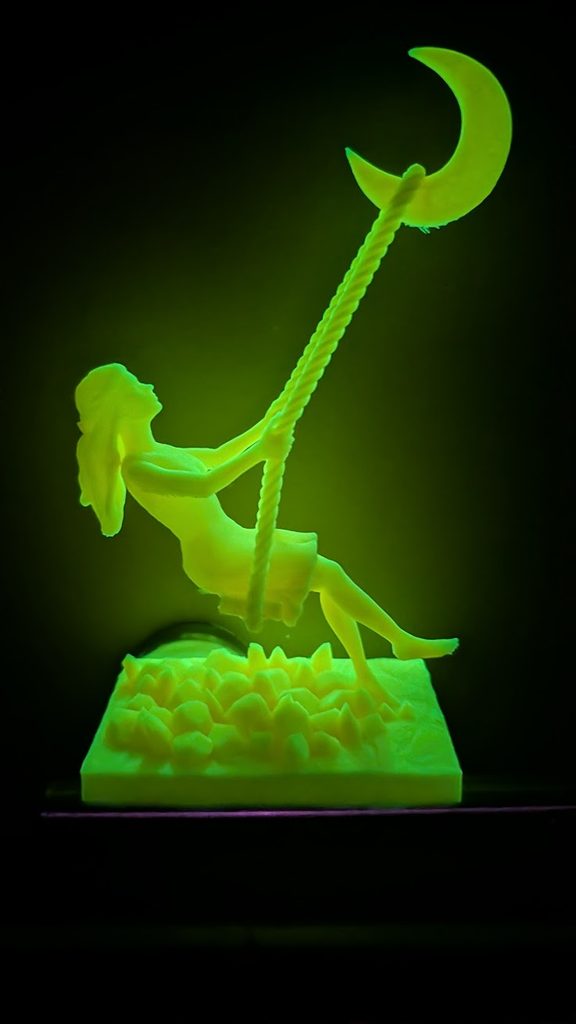
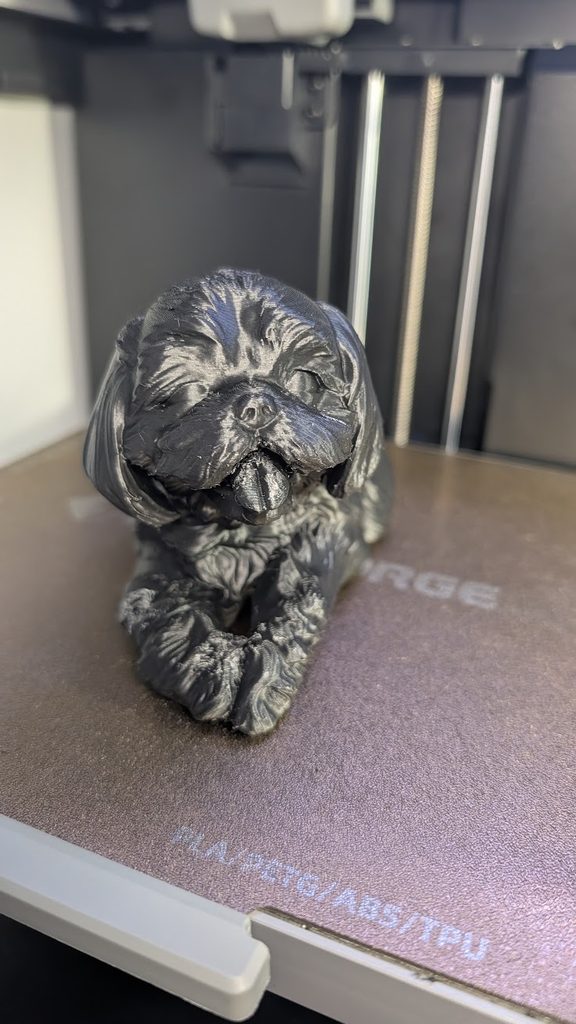
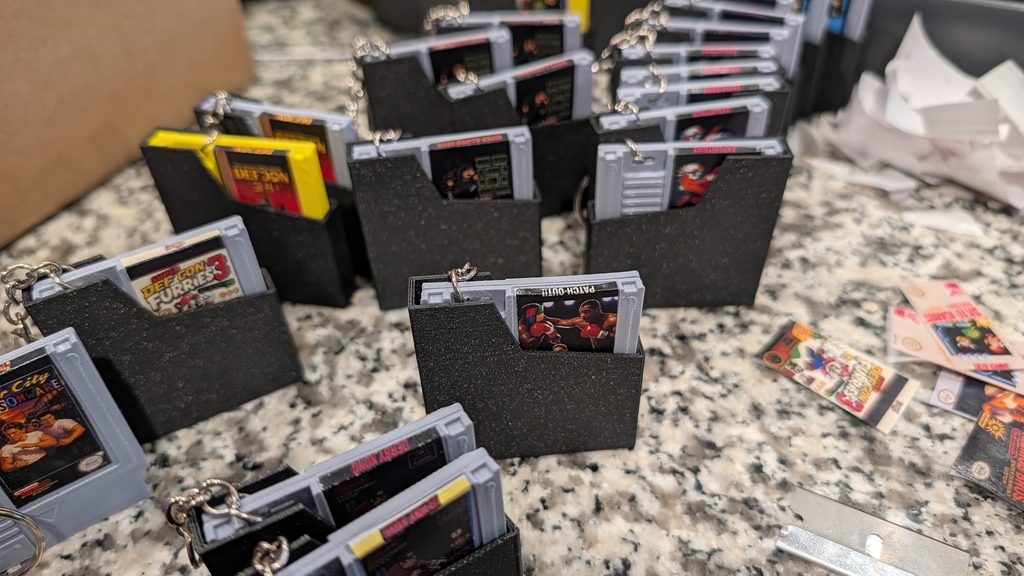
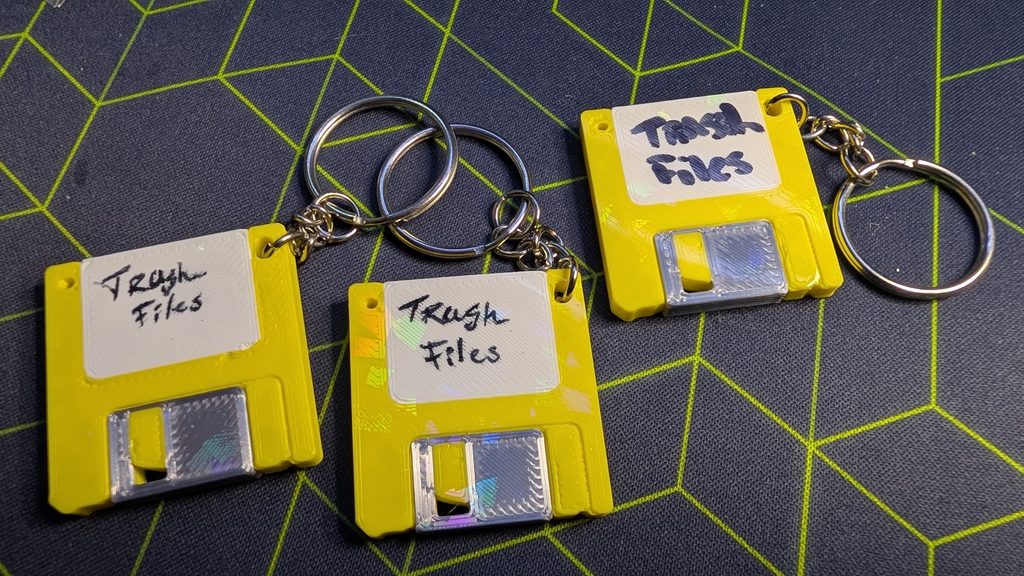
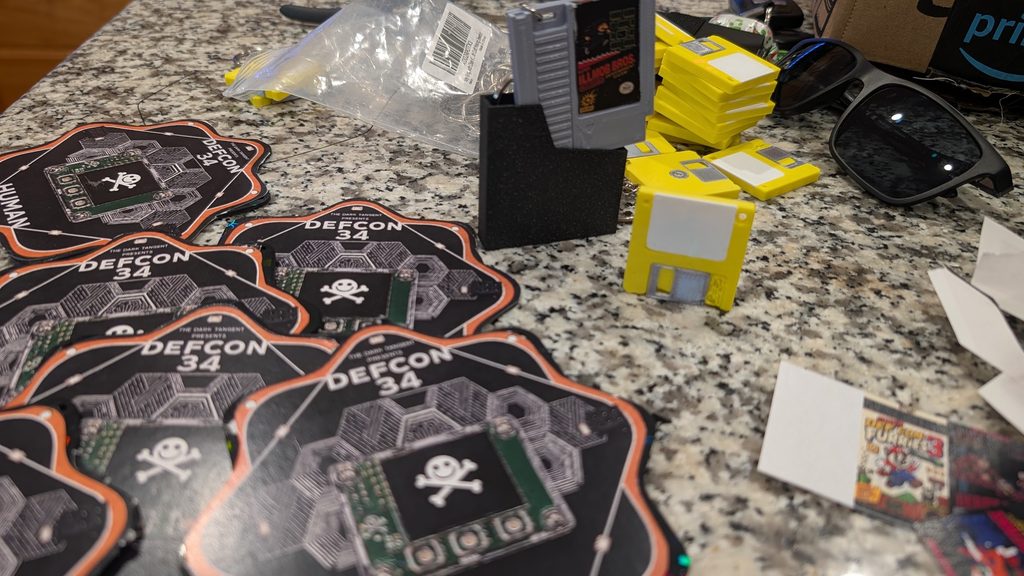
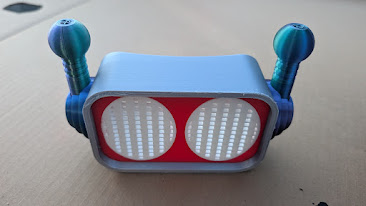
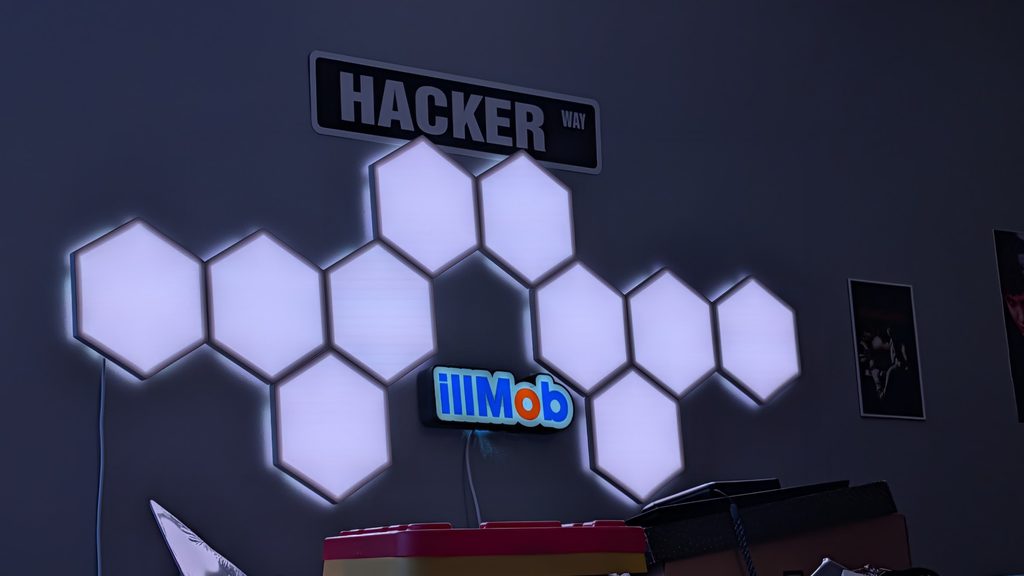
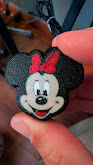
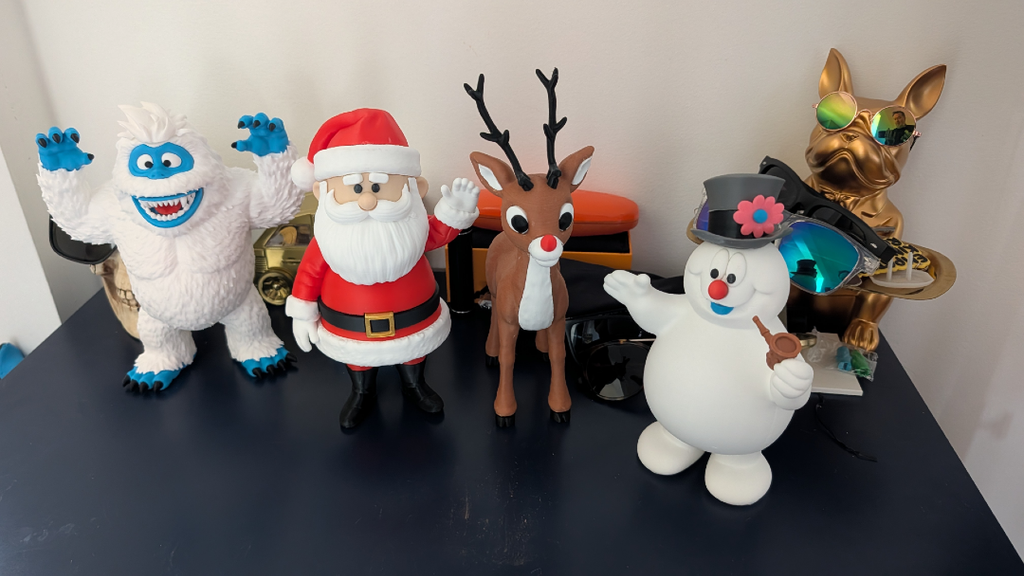
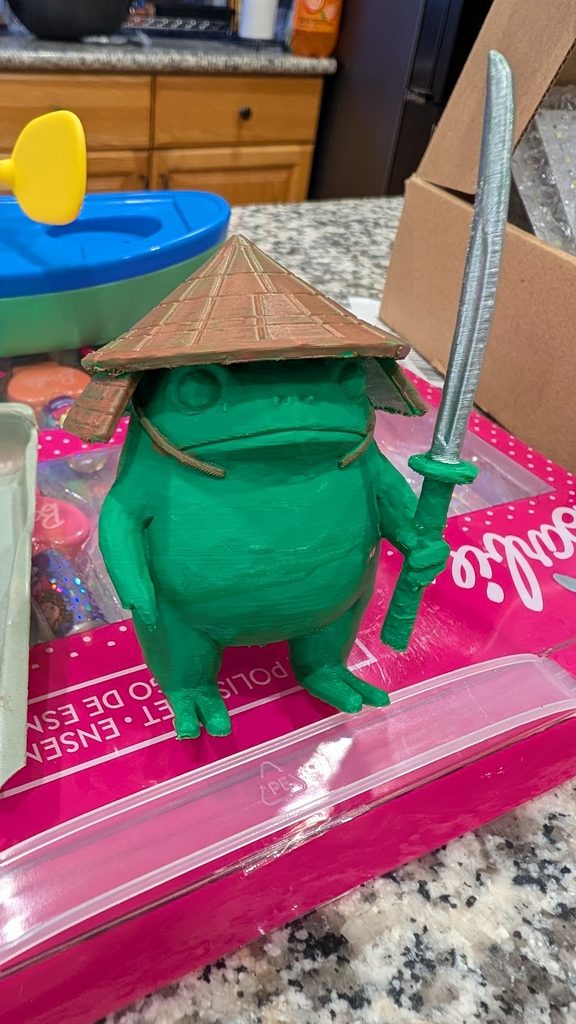
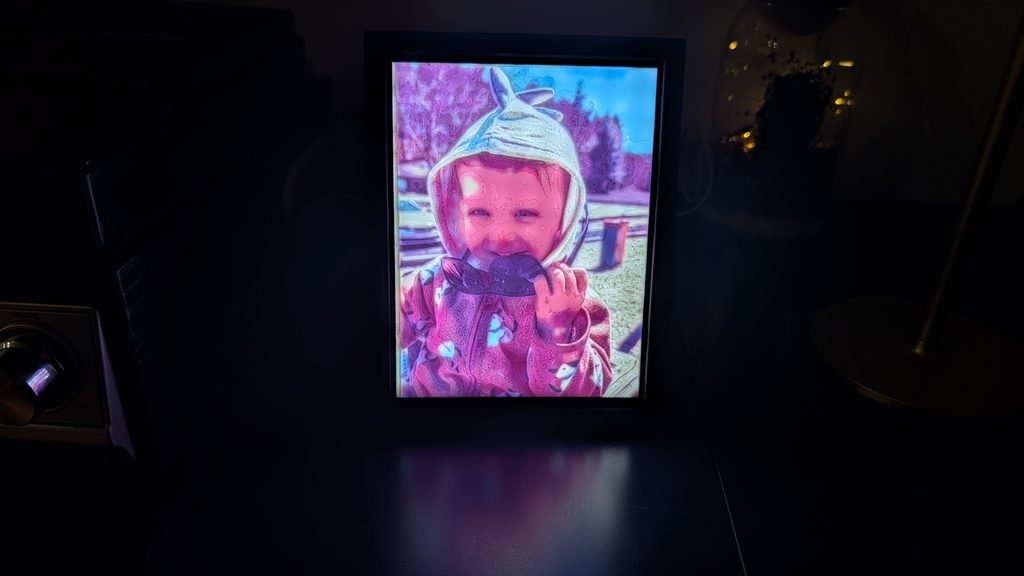
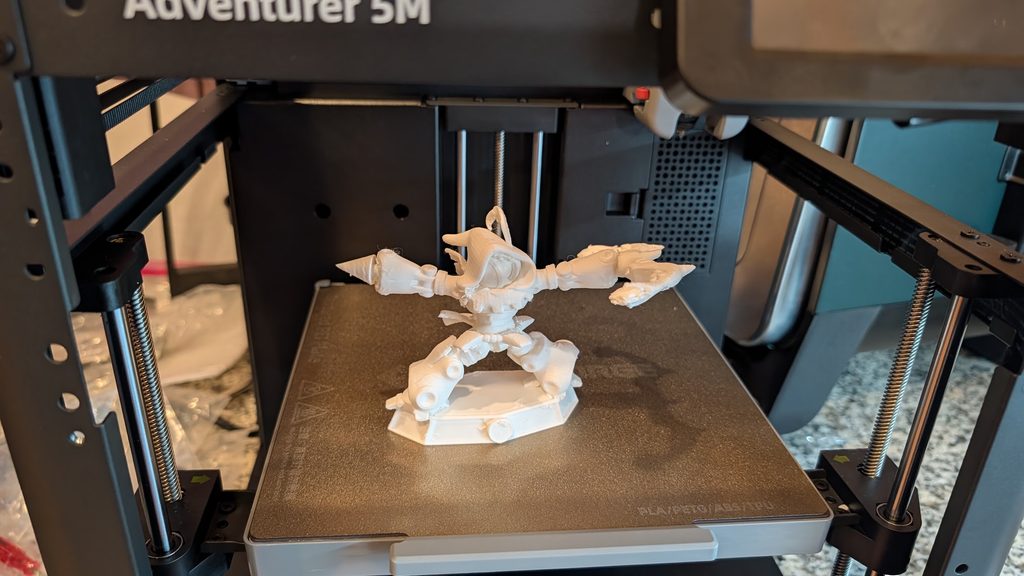
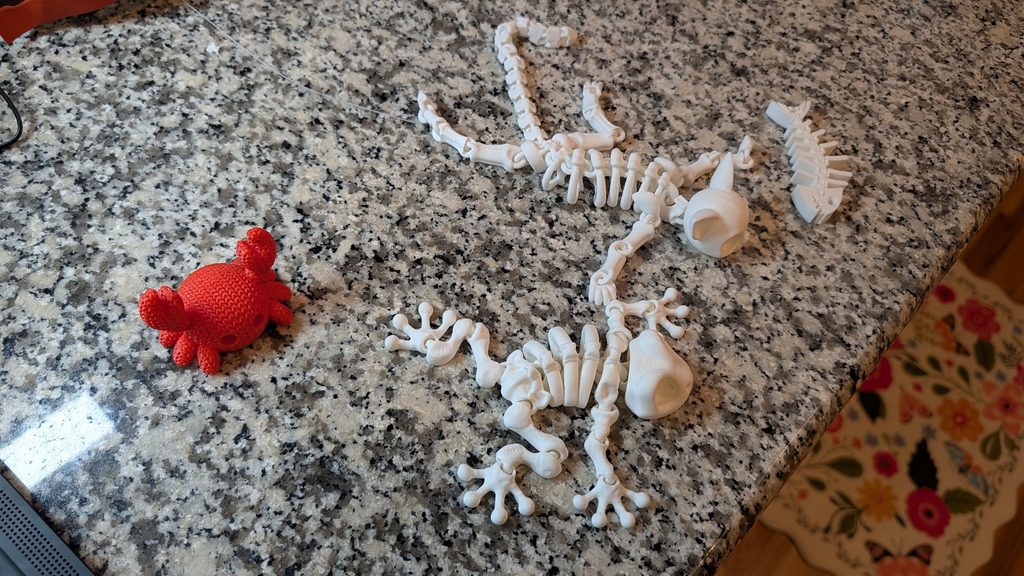
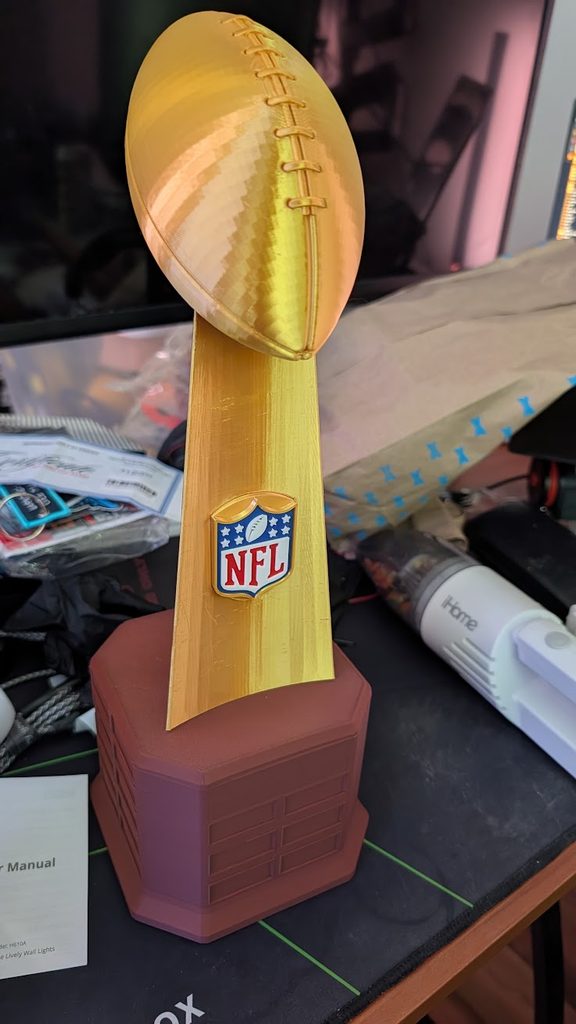
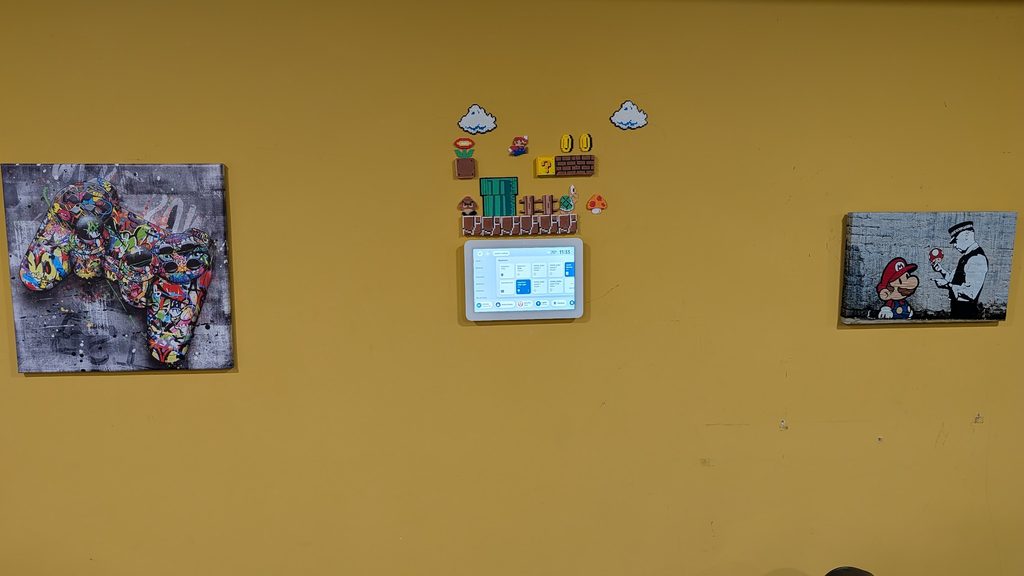
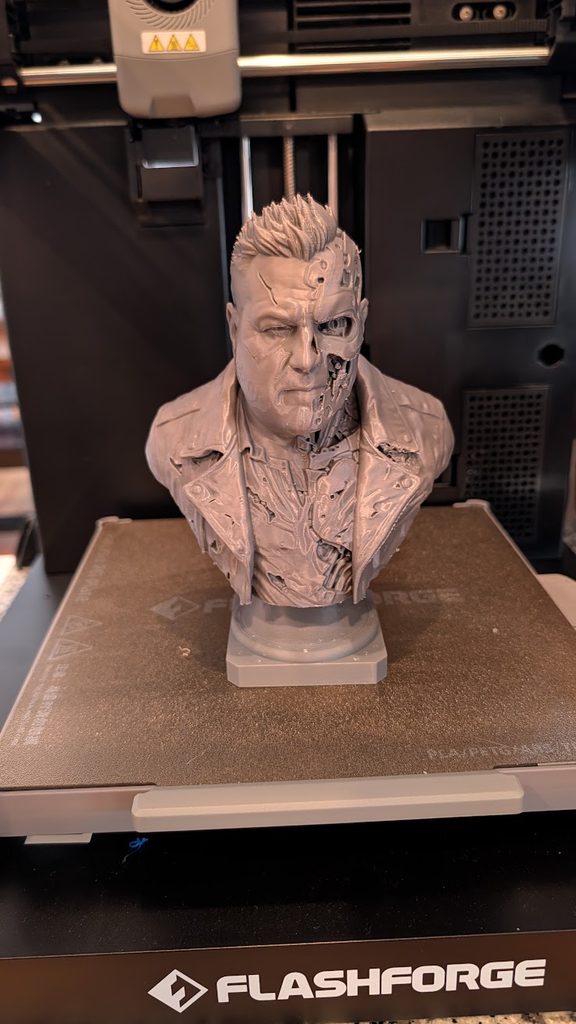
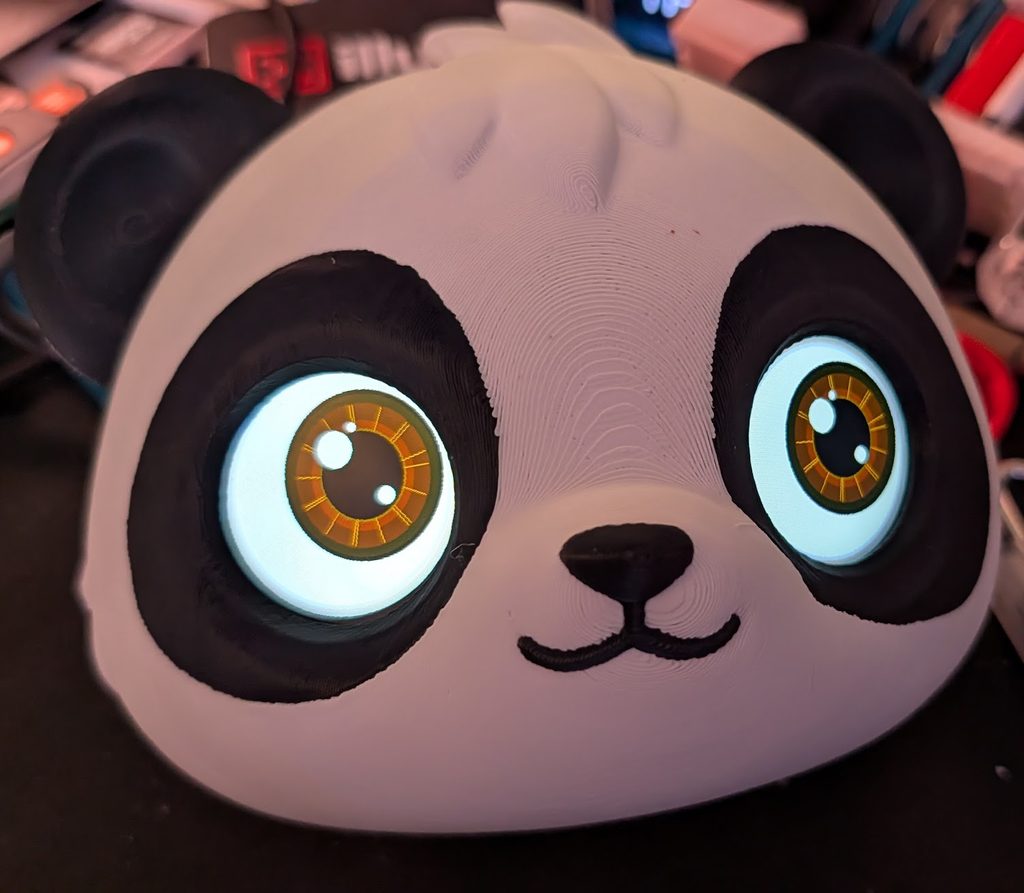
Here’s gallery showing some of the newer designs I’ve done. The latest being the panda that I’ve combined with a ESP32-WROOM module to control its LCD eyes. Other are fidget clickers, lithographs, glow in the dark designs, NFC Nintendo carts and floppy keychains that open website URLs when you tap them to your phone.
Tastes like a penny

Have you ever heard of Home Depot penny items? If you’re into bargain hunting, clearance deals, or finding products for a fraction of their original price, this is something worth knowing about. Occasionally, products at Home Depot reach the end of their clearance cycle and are assigned a price of just $0.01 in the store’s inventory system. These are commonly referred to as penny items. But there’s a catch: these aren’t necessarily advertised clearance deals or promotions intended for customers.

Penny items are products that have reached a particular stage in the retailer’s inventory or clearance process. In some cases, these products are supposed to be pulled from store shelves and may be designated for return to the vendor, disposal, or other inventory handling procedures. However, sometimes products remain on shelves even after their status changes in the inventory system. That’s where things get interesting A product that was originally worth several dollars, or even significantly more, may show up with a one-cent price in the system. Finding one isn’t necessarily easy, and pricing and store policies can vary.

Finding these items can involve a combination of research, product identification, clearance tracking, and checking information across multiple sources. Rather than manually browsing individual listings and hoping to get lucky, I decided to take a more technical approach.

I put together this Python script that scrapes several websites and cross-references product information to help identify potential penny items. It then exports the results to both a HTML file and a Excel spreadsheet. The idea is to collect product data from multiple sources, correlate matching listings, and narrow down potential deals worth investigating. Some of the things this approach helps with include:

  • Collecting product information from multiple websites.
  • Comparing product listings across different sources.
  • Correlating product identifiers and matching products.
  • Identifying potential clearance opportunities.
  • Reducing the amount of manual searching required.

The script does the heavy lifting helping you figure out how to identify potential opportunities before spending hours walking through stores or manually searching websites with a billion pop-ups. For my friends in CT I’ve got the html here https://willgenovese.com/penny ill try to update weekly that lists Connecticut ones first. There are no guarantees that a product listed at a penny will actually be available for purchase at that price. Inventory status, store-level pricing, and retailer policies can all affect the outcome.

Happy hunting!